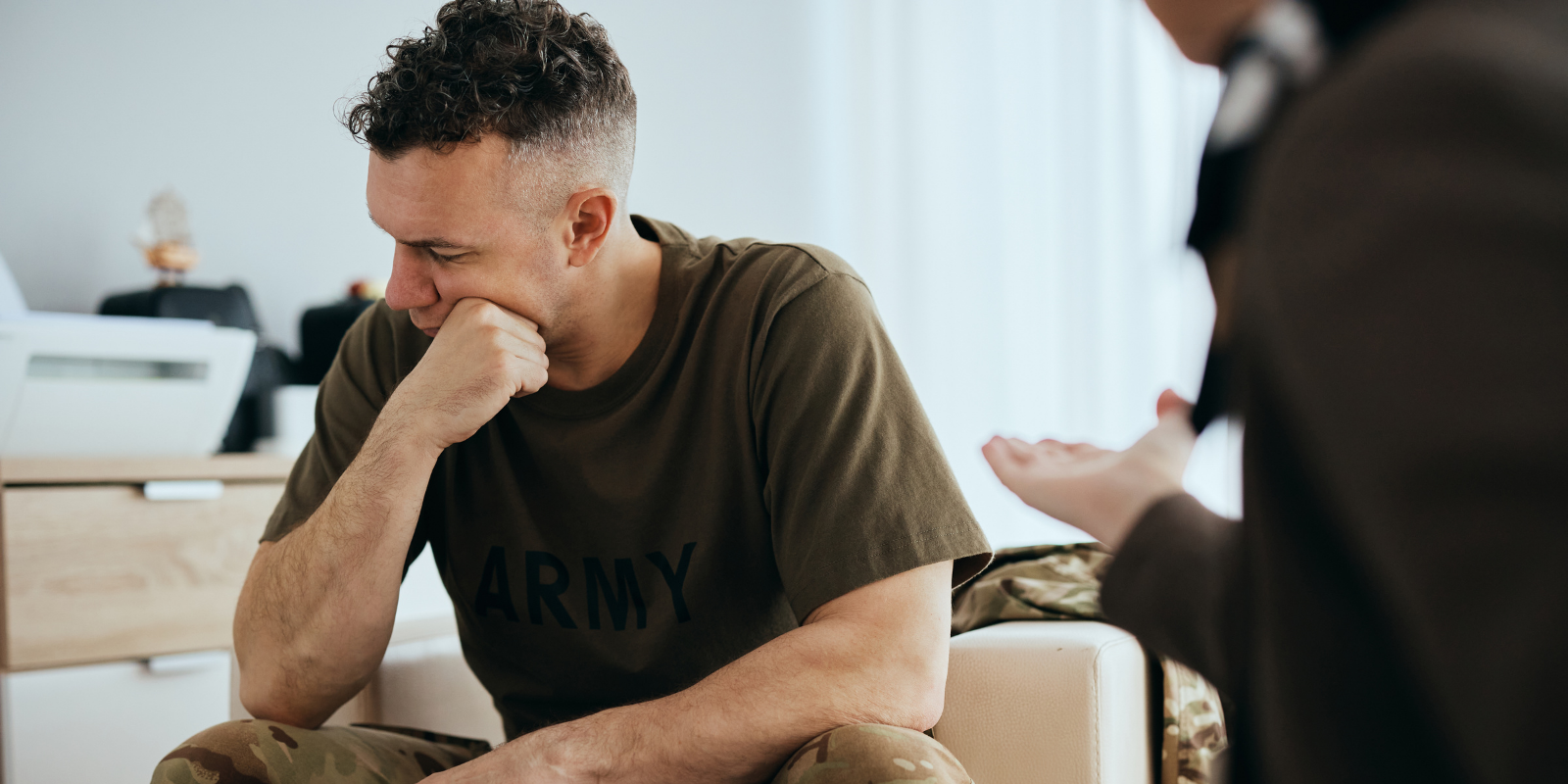
Understanding the Role of Support Groups in Mental Health Recovery
Mental health recovery often unfolds in multiple steps. While treatment is essential, support groups also play a central role, helping people feel understood and connected as they navigate this journey.
Even with supportive loved ones, isolation is common. When brought together in support groups, people facing similar challenges gain a space to share and feel understood.
This article highlights the vital role ofsupport groups in mental health recovery, exploring their purpose, function, and place in the recovery journey, as well as the benefits and challenges of joining one.
What Are Support Groups?
Support groups are structured spaces where people with similar mental health challenges connect. Unlike clinical therapy, these groups focus on mutual understanding rather than treatment. They offer a place for open, judgment-free sharing of experiences, strategies, and ongoing struggles.
People with lived mental health experience often lead peer-run support groups. In other cases, professionals like therapists guide the discussion while encouraging group sharing and support. All formats emphasize shared experience for strength and insight.
Support groups do not offer quick fixes or direct advice. Instead, they provide connection, understanding, and encouragement in recovery. For some, regular attendance becomes part of their mental health routine; others participate during challenging times for support and perspective.
Different Types of Support Groups
Support groups address different needs. Some focus on conditions like depression, anxiety, bipolar disorder, or PTSD. Others support people facing challenges such as grief, caregiving, or addiction recovery.
Here are a few common types:
- Condition-specific groups: For individuals managing the same diagnosis (e.g., depression or schizophrenia).
- Grief support groups: For those coping with the loss of a loved one.
- Trauma or abuse recovery groups: For survivors of specific experiences.
- Substance use recovery groups: Such as 12-step programs or other peer support formats.
- General mental health groups: For anyone navigating emotional or psychological challenges, regardless of diagnosis.
Groups may meet in person, online, or through a hybrid format. Some welcome new members anytime, while others have fixed start and end dates. Regardless of how they meet, these groups all share the same goal: to offer emotional support, shared experiences, and a sense of belonging through mutual understanding.
The Role of Community Support in Mental Health Recovery
While therapy and medication manage symptoms, community support provides the equally vital experience of being seen, heard, and accepted.
Recovery can be isolating, with stigma, doubt, or fear of not being understood. Community support, formal or informal, counters this isolation and reminds individuals they are not alone.
Support groups are one form of community support, but the concept is broader:
- Individuals with lived mental health experience typically facilitate peer-led spaces and guide discussions based on shared understanding.
- Grassroots initiatives refer to informal, community-driven projects, often organized locally by volunteers for mutual aid.
- Nonprofits are established organizations that may offer structured programs, professional resources, and trained staff.
- Online forums are internet-based spaces where people can connect virtually to give and receive support.
What these have in common is the ability to foster shared understanding and emotional safety.
Being part of a supportive community helps people stay engaged in recovery. Encouragement from those with similar experiences motivates during difficult times. Sharing coping strategies, celebrating wins, and listening all show that recovery is not solitary.
Support Groups Across the 5 Stages of Mental Health Recovery
Mental health recovery takes time and usually happens in stages. A common framework describes five stages: Moratorium, Awareness, Preparation, Rebuilding, and Growth. Support groups can help in different ways at each stage of this process.
Moratorium
During this stage, people may feel overwhelmed, hopeless, or unsure if change is possible. They might withdraw, feel numb, or become disconnected from others.
It can be intimidating to join a support group, but just listening can help ease feelings of isolation. Hearing others talk about similar experiences can offer the first hint that recovery is possible, even if hope is still uncertain.
Awareness
Awareness begins when someone starts to believe life can get better. They might not know how yet, but they start to see that change is possible.
Support groups help strengthen this belief. Seeing others who are further along in recovery can give insight and help people imagine their own progress. At this stage, people often ask questions, learn from others, and start to share more openly.
Preparation
At this point, people begin to figure out what they need to support their recovery. They might try new coping tools, create routines, or set small goals.
Support groups are especially helpful here. Members share routines, resources, and strategies that work for them. The group offers feedback, encouragement, and accountability in a non-judgmental way.
Rebuilding
Rebuilding is an active stage. People start using what they’ve learned and take real steps toward recovery, such as returning to work, repairing relationships, or pursuing personal goals.
Support groups help people keep moving forward during this stage. They offer encouragement when progress slows and give a steady place to check in. Members talk about both setbacks and successes, showing that progress can continue even when things are tough.
Growth
Growth is about finding meaning beyond just managing symptoms. People might take on new roles, follow their interests, or help others with their own recovery.
At this stage, some people remain active members of support groups, while others become leaders or mentors. Giving back can strengthen their sense of purpose and help them see how much they’ve grown.
Advantages and Disadvantages of Support Groups for Mental Health
Support groups can aid mental health recovery, but, like any tool, may not suit everyone. It's essential to weigh their benefits and limitations before joining.
Advantages
- Shared understanding: Joining others with similar experiences can lessen isolation and self-blame.
- Emotional support: Members often offer empathy, encouragement, and a listening ear, especially valuable during difficult periods.
- Non-clinical space: Support groups offer a setting distinct from therapy. No diagnosis is needed, just a willingness to participate.
- Practical insights: Members share actionable strategies and resources for others to apply.
- Sense of community: Ongoing participation builds belonging and steady social bonds.
Disadvantages
- Not all groups are equal: Some may not match your needs due to topics, dynamics, or facilitation style.
- Potential for triggering content: Hearing others' stories can help, but may also revive difficult emotions or memories.
- Confidentiality concerns: Rules exist, but not all groups guarantee privacy.
- Lack of structure: Peer-led groups without trained leaders can lack direction and boundaries, which may challenge some participants.
Support groups do not replace therapy or medical treatment, but can supplement those. The key is finding a group that fits your comfort, goals, and recovery stage.
Final Thoughts
Each person’s path looks different, and the kind of support that works can change over time. For many, support groups provide a steady, human connection that eases the journey’s isolation. They foster honest conversation, mutual support, and shared growth.
If you're considering joining a support group, take your time. Attend a session, observe, and notice how it feels. Whether you regularly participate or join only at certain times, what matters is discovering what supports your recovery in a way that fits you.
Frequently Asked Questions About Support Groups
What is the meaning of a support group?
A support group is a gathering of individuals who share a common challenge, such as a mental health condition, grief, addiction, or trauma, and come together to talk, listen, and offer mutual support. These groups create a safe, non-judgmental space where members can share experiences and feel understood.
What are the seven types of support?
- Emotional support: Showing compassion, concern, and understanding
- Informational support: Sharing advice, guidance, or knowledge
- Instrumental support: Offering hands-on help or services
- Appraisal support: Giving feedback that helps with decision-making
- Companionship support: Spending time together to reduce isolation
- Esteem support: Encouraging confidence and self-worth
- Network support: Helping someone feel part of a larger group or community
Support groups usually offer a combination of these types, with emotional, informational, and companionship support being especially common.
How do I find a group that fits my needs?
Start by identifying what kind of support you're looking for, such as groups focused on anxiety, grief, or general mental health. You can search for local mental health organizations, such as Friends of A.S.H., community centers, and hospitals, or use national directories. Many groups also meet online, which can offer more flexibility and privacy. Try attending a few sessions and pay attention to how you feel during and after each one. It’s okay to explore different groups until you find one that feels like a good fit.
What are the five types of social support?
- Emotional: Listening, comforting, and showing empathy
- Instrumental: Offering practical help or services
- Informational: Providing knowledge, suggestions, or advice
- Companionship: Spending time together and fostering connection
- Validation: Recognizing and accepting another’s feelings or experiences as legitimate and understandable.
Is a Support Group Right for You?
If you're ready to explore your options or want to learn more, connect with us on ourFacebook andInstagram. We regularly share information about local and virtual support spaces, resources, and events through our community channels.
Stay connected, get updates, and find support in a space that values conversations and healing.