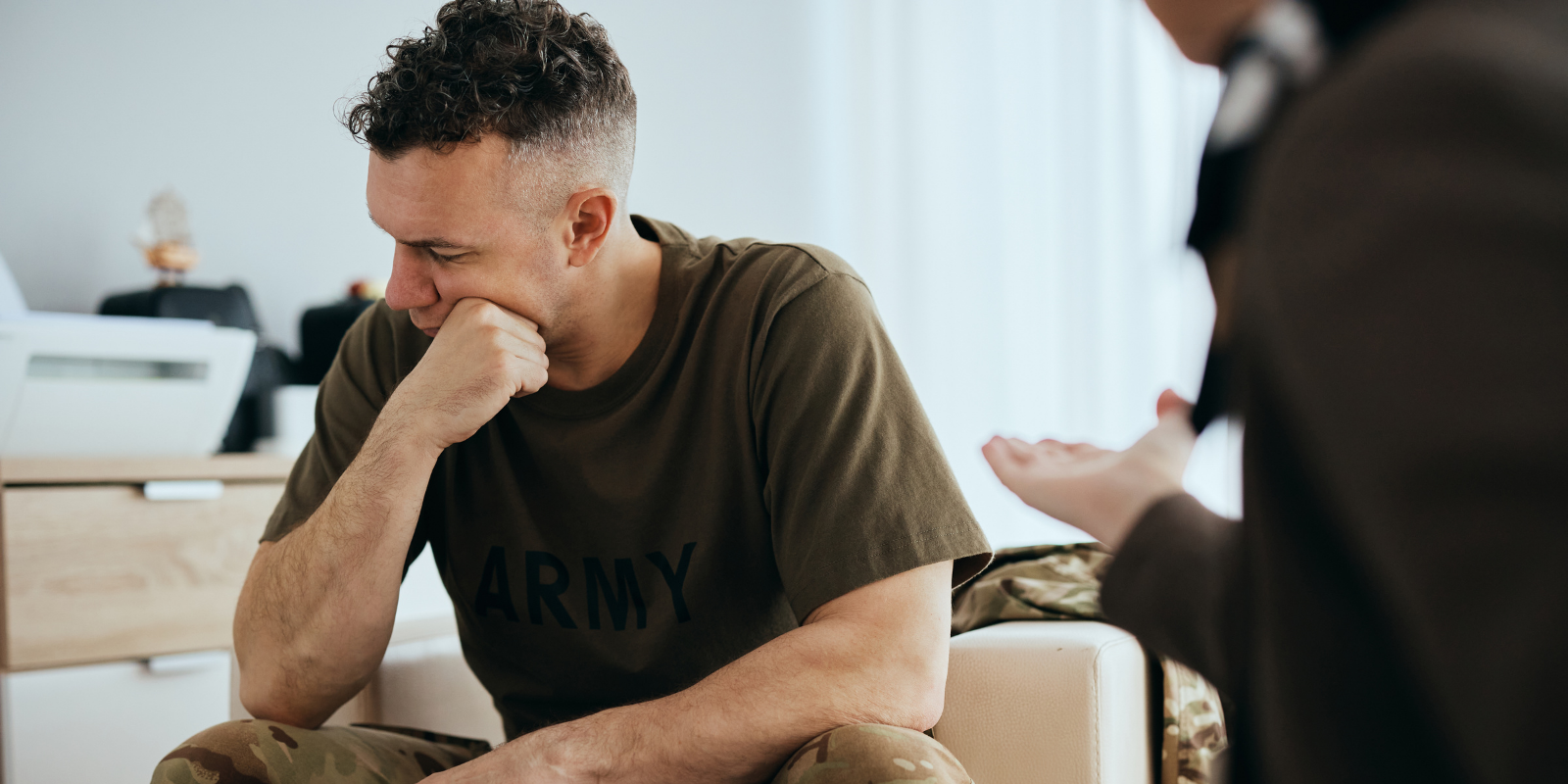
How Friends of ASH Patient Programs Fill the State Budget Gap
How Friends of ASH Patient Programs Fill the State Budget Gap
State funding at Austin State Hospital covers clinical care, but not the enrichment activities essential to recovery. Friends of ASH patient programs bridge this gap by funding patient enrichment across five key areas from art and music therapy to peer support that help patients rebuild hope and prepare for life beyond hospitalization. Learn how this Austin nonprofit, founded in 1952, transforms patient lives through community giving.
What the State Budget Does and Does Not Cover at Austin State Hospital
Austin State Hospital is a critical resource for psychiatric care in Texas. The state funds the clinical essentials: trained staff, medication management, meal programs, and essential therapeutic services. This is foundational work. Without it, the hospital couldn't function.
Yet state budgets are stretched thin. What they don't cover are the extras that research shows matter deeply to recovery: art classes, music therapy, recreational equipment, peer support programs, and wellness activities. These aren't luxuries. They're recovery tools that engage patients in meaningful activities, reduce isolation, and give structure and purpose to days that might otherwise feel empty.
This is the gap Friends of ASH, a nonprofit mental health funding organization, has been filling for decades. The organization recognizes that healing happens in moments of connection, creativity, and hope. When a patient picks up a paintbrush, joins a volleyball game, or attends a peer support meeting, something shifts. The hospital becomes less about what's wrong and more about what's possible.
How Friends of ASH Fills the Funding Gap for Patient Programs
Friends of ASH operates on a simple principle: every patient at Austin State Hospital deserves access to activities and support that feed the spirit, not just the clinical checklist. As a nonprofit mental health funding organization in Austin, it understands that non-state-funded hospital programs often make the difference between surviving and thriving.
As a leader in nonprofit mental health funding Austin TX, Friends of ASH raises funds through individual donations, community support, and fundraising events like the Bunny Run and Insights Art Show. These contributions go directly into patient-centered programs that the state budget doesn't address. It's mission-driven giving at its core: people in Austin care about their neighbors in psychiatric care, and they give to ensure those neighbors have access to programs that promote wellness and recovery.
The organization works closely with Austin State Hospital staff to identify where the gaps are most acute and where additional funding creates the greatest impact for patients. This collaborative approach ensures that every dollar funds something real, something patients actually need and value.
5 Ways Friends of ASH Funds Patient Enrichment at Austin State Hospital
Art and Creative Expression Programs
Patients engage in visual art activities, including painting, drawing, and craft projects. Art becomes a tool for emotional expression, stress reduction, and regaining a sense of identity. Research from the National Institutes of Health demonstrates that art therapy helps patients open up and share feelings that verbal expression alone doesn't reach. The supplies, instruction, and dedicated space for creative work come directly from Friends of ASH funding.
Music and Performance Activities
Music therapy and recreational music programs provide patients with instruments, instruction, and opportunities to perform or jam with others. Music has documented benefits for mental health recovery, and these programs offer structure, joy, and a sense of accomplishment. Patients have participated in everything from one-on-one guitar lessons to group drum circles to ensemble performances.
Recreation and Physical Wellness
Organized recreational activities including sports leagues, outdoor recreation, fitness classes, and games create opportunities for physical activity and social connection. Whether it's a volleyball tournament, a walking group, or a fitness class, these programs combat the isolation that often accompanies psychiatric hospitalization and boost both physical and mental wellbeing.
Peer Support and Wellness Groups
Structured peer support meetings allow patients to connect with others who understand their experience.According to NAMI, peer support groups like these focus on recovery, coping strategies, and building connections that help participants prepare for life beyond inpatient care. Peer connection is one of the most powerful recovery tools available, and Friends of ASH ensures these programs have the resources they need to thrive
Enrichment Workshops and Educational Programming
Educational workshops cover topics like stress management, mindfulness, life skills, and recovery planning. Guest speakers, classes, and skill-building sessions give patients practical tools and hope. These programs treat patients as people capable of learning and growing, not just as people in need of clinical care.
How Community Donations Power Austin State Hospital Patient Support Programs
Every donation to Friends of ASH is a direct investment in patient dignity and recovery. When someone donates, they're funding art supplies, musical instruments, recreational equipment, therapy programming, and skilled facilitators who lead these activities. This nonprofit mental health funding model allows Austin State Hospital patient support programs to respond quickly to patient needs.
Research on peer support services in behavioral health shows that community-funded programs play a measurable role in reducing preventable psychiatric hospitalizations and readmissions. If a new peer support group emerges as a priority, Friends of ASH can
donate resources to fund it. If patients express interest in a specific activity or skill, the organization can make it happen. The nonprofit acts as the bridge between patients' needs and the community's willingness to help.
The result is visible every day at Austin State Hospital. Patients have access to opportunities that might otherwise never come. A 67-year-old man attends a painting class for the first time in his life. A young woman joins a peer support group and realizes she's not alone. A group of patients experience the joy and teamwork of a recreational game. These moments, multiplied across hundreds of patients, add up to a fundamentally different experience of psychiatric hospitalization.
How You Can Help Friends of ASH Continue Funding Patient Programs
If you've been touched by mental health challenges in your own life or your family's life, or if you simply believe that people in psychiatric care deserve access to programs that promote wellness and hope, there are meaningful ways to get involved.
The
Friends of ASH volunteer council connects community members with meaningful opportunities to support patient programs. . You can learn more about specific volunteer opportunities and ways to support the organization by visiting
how you can help at Friends of ASH. Whether through donations, volunteering, or simply raising awareness, community involvement makes these programs possible.
Austin State Hospital patients are your neighbors. They're people in your community who are working toward recovery. The programs Friends of ASH funds aren't nice-to-have extras. They're essential components of healing that help people move from crisis toward a life of meaning, purpose, and connection.
Be Part of the Change
The story of patient recovery doesn't end when someone walks through Austin State Hospital's doors. It continues in the moments when a paintbrush hits canvas, when a peer group offers understanding, when a volunteer shows up with genuine presence. These are the moments Friends of ASH makes possible.
For over 70 years, Friends of ASH nonprofit Austin has proven that community giving transforms lives. Every donation, every volunteer hour, every share of awareness ripples outward. You don't need to be a mental health professional to make a difference. You just need to care about your neighbors and their recovery.
Start today! Visit how you can help to see how Friends of ASH patient programs need you.
Frequently Asked Questions
1.What programs does Friends of ASH fund at Austin State Hospital?
Friends of ASH funds patient enrichment across five key areas including art and creative expression, music, recreation, peer support, and educational workshops. These activities fill gaps that state funding doesn't cover.
2.How does Friends of ASH support patients beyond the state budget?
State funding covers clinical essentials like medication and meals. Friends of ASH funds enrichment activities and wellness programs that research shows significantly enhance recovery outcomes.
3.What does Friends of ASH do for patients at Austin State Hospital?
Friends of ASH funds patient programs, connects volunteers with patients, and organizes community fundraising events like the Bunny Run and Insights Art Show.
4.How can I help fund patient programs at Austin State Hospital?
You can donate money, volunteer your time, give in-kind items like art supplies, or participate in community events. Visit the Friends of ASH website to learn about current opportunities.
5.Are donations to Friends of ASH tax-deductible?
Yes. Friends of ASH is a 501(c)(3) nonprofit, so donations are tax-deductible. Consult a tax professional for details specific to your situation.
Key Takeaways
- Friends of ASH fills a critical gap between state-funded clinical care and the wellness programs that support recovery.
- Art, music, recreation, peer support, and educational programming are not luxuries; they're evidence-based recovery tools.
- Community donations directly fund activities and programs that give patients hope, purpose, and connection during hospitalization.
- Every patient deserves access to programs that speak to their humanity, not just their diagnosis.
- Supporting Friends of ASH is investing in your community's mental health and in the people in your city who are working toward recovery.
- You don't have to be a mental health professional to make a difference; your community support and resources directly improve patient outcomes.