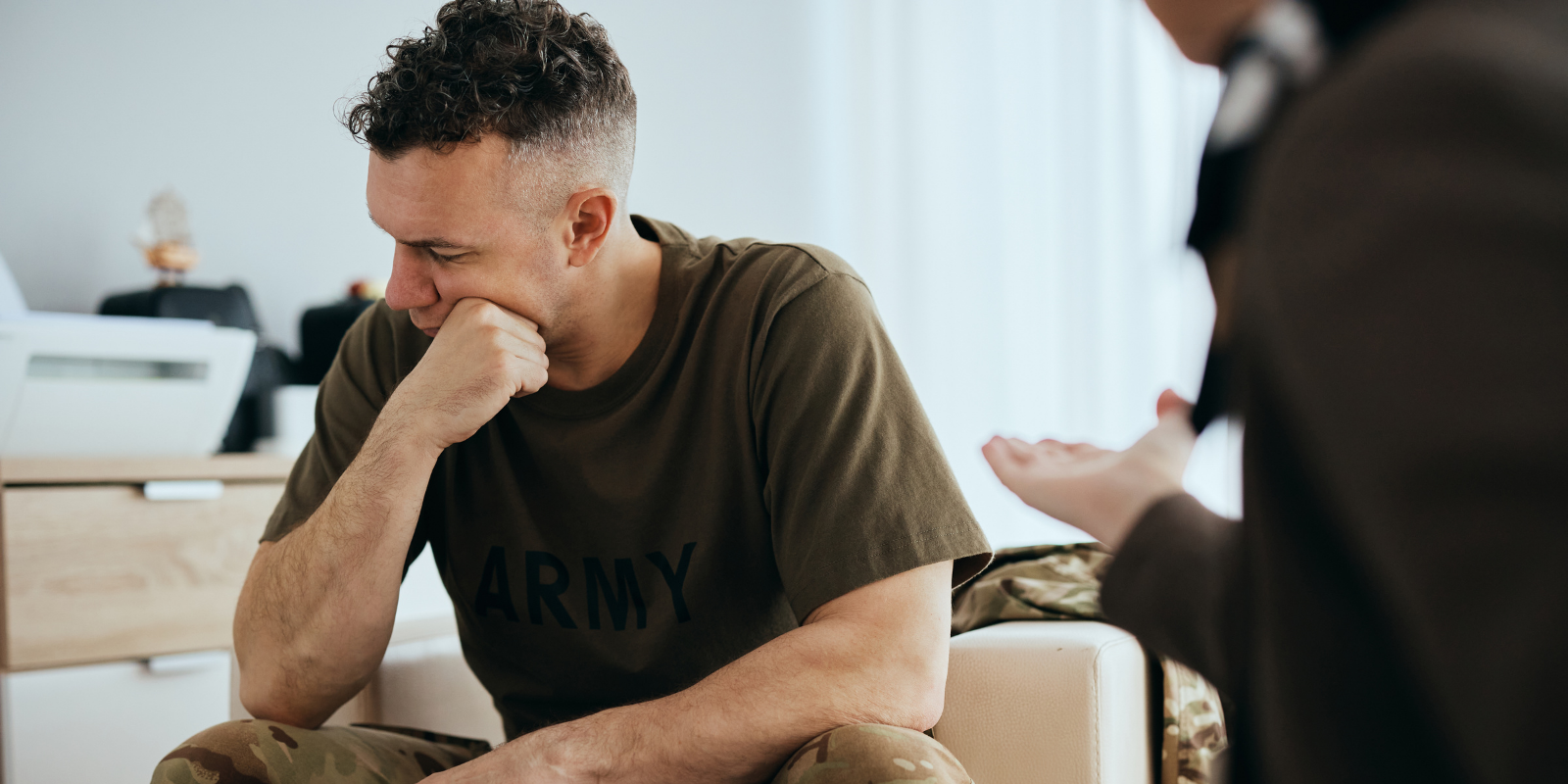
Why Patient Entertainment Mental Health Programs Matter at Friends of ASH
Why Patient Entertainment Mental Health Programs Matter at Friends of ASH
For someone living inside a psychiatric hospital, the hours between therapy sessions can feel endless. Without meaningful activity and connection, isolation sets in fast, and isolation is one of the most significant barriers to mental health recovery. Patient entertainment mental health programs exist precisely to fill that gap, and at Austin State Hospital, they play a far more important role than most people realize.
What Patient Entertainment Mental Health Programs Actually Mean in a Hospital Setting
Entertainment in a psychiatric hospital setting is not about distraction. It is about engagement, dignity, and stimulation that supports healing.
Patient activities mental health hospital staff design are structured around therapeutic intent. A birthday party is not just a celebration. It is a chance for patients to practice social skills, feel remembered, and experience joy, which are all outcomes tied directly to emotional recovery. A bingo game is not just a game. It builds routine, rewards attention, and creates a space for laughter and peer connection.
At Austin State Hospital, state funding covers clinical care but does not extend to many of these enrichment activities. That is where Friends of ASH steps in. The organization funds the supplies, equipment, and logistics that make patient entertainment programs possible at all.
Why Activities and Entertainment Reduce Isolation in Mental Health Patients
Isolation is not just an emotional experience for psychiatric patients. It has measurable, documented consequences for recovery outcomes.
When patients spend long stretches without stimulation or social contact, they can lose motivation for treatment, withdraw from therapeutic relationships, and develop a sense of hopelessness that actively works against recovery. The National Institute of Mental Health highlights social connection as a core element of mental health support.
Hospital entertainment programs for mental health patients counter this directly. Off-campus events, for example, allow patients to attend sports events, musical performances, or bowling outings. These experiences do more than provide enjoyment. They give patients the opportunity to practice taking the bus, finding their seat in a public space, and interacting appropriately with service providers. These are real-world independence skills that patients will need when they discharge.
The patients who participate in these activities are not just entertained. They are practicing being part of the world again.
Types of Entertainment and Activities Offered at Austin State Hospital
The therapeutic activities mental health patients engage in at Austin State Hospital span a wide range of formats, each serving a specific purpose.
How Patient Entertainment Benefits Go Beyond Fun
Art therapy gives patients the opportunity to work with paint, brushes, and canvas. The act of creating something tangible can support emotional expression and build self-esteem. Many patients experience real pride in what they produce, and that sense of accomplishment is an important part of healing.
Recreational and Social Programs
Recreational activities include monthly birthday parties, bingo nights with snacks and prizes, holiday events with decorations and food, cookouts for younger patients, and seasonal activities like vegetable and flower gardening. Each of these is funded through donations to Friends of ASH because the State of Texas cannot allocate a budget for enrichment activities under its existing guidelines.
Taken together, these programs represent the full range of mental health recovery activities Austin State Hospital patients can access outside of formal clinical sessions. They are not incidental. They are programmed, funded, and coordinated with recovery outcomes in mind.
The Pet Partners Program
The Pet Partners Program brings trained therapeutic animals onto the hospital units. Volunteers raise and certify their dogs to work in this capacity, and the interaction between patients and animals provides comfort, reduces anxiety, and creates a reliable source of warmth in an otherwise clinical environment.
Off-Campus Outings
Off-campus outings are among the highest-impact patient wellbeing activities Austin State Hospital patients experience. Leaving the campus, even briefly, resets perspective, rebuilds confidence, and reconnects patients with the larger community they will eventually return to.
How Patient Entertainment Supports Long-Term Mental Health Recovery
The connection between mental health recovery activities and long-term outcomes is not incidental. It is structural.
Recovery from a psychiatric episode involves more than stabilizing symptoms. It involves rebuilding the patient’s relationship with themselves and with others. As the
NIMH outlines on mental health recovery, rebuilding social connection and daily functioning are core components of long-term mental health care. Therapeutic activities support this by creating repeated, low-stakes opportunities for social practice. Every bingo night, every art class, every holiday event gives patients a structured moment to engage, to feel, and to behave in ways that reinforce their identity outside of their diagnosis.
Patients served at Austin State Hospital are working toward discharge and independence. The enrichment activities funded by Friends of ASH are part of that preparation. When someone attends a community outing and successfully navigates a public space, that is a recovery milestone. When someone completes a piece of artwork and feels proud of it, that is a recovery milestone too.
The clinical team handles diagnosis and treatment. Enrichment programs handle the rest of what recovery actually requires.
How Volunteers and Donors Help Fund Patient Entertainment at ASH
None of these programs sustain themselves. Every bingo prize, every birthday cake, every off-campus ticket, and every art supply is funded through donations and made possible through volunteers.
Friends of ASH is a 501(c)(3) nonprofit that has supported patients and employees of Austin State Hospital since 1952. The organization was built on the understanding that state funding alone cannot provide a full recovery environment. Volunteers show up to run events, bring therapeutic animals, and assist with logistics. Donors provide the financial resources that cover everything from holiday decorations to transportation costs for off-campus outings.
If you want to support patient activities at Austin State Hospital, there are two immediate ways to make an impact.
You can
volunteer with Friends of ASH to join a program, assist at an event, or bring a registered therapy animal onto the units through Pet Partners. You can also
make a donation that goes directly toward the enrichment programs patients depend on throughout their stay.
For more on the full scope of how funds are used, visit the Friends of ASH website and explore their current programs.
Take the Next Step for Mental Health Support in Austin
Patients at Austin State Hospital are receiving treatment. What Friends of ASH provides is the rest of what recovery actually looks like: connection, joy, creative expression, and the chance to practice independence.
If you live in Austin or the surrounding area and want to make a direct, tangible contribution to mental health recovery, this is where your time or donation lands. Not in a general fund. Not in overhead. Directly in the hands of programs that happen on the units, in community spaces, and in the day-to-day lives of people working hard to get better.
Get involved with Friends of ASH today and support patient entertainment and enrichment programs at Austin State Hospital.
Frequently Asked Questions
1. Why is entertainment important for mental health patients?
Structured entertainment and activities reduce isolation, provide opportunities for social practice, and support emotional expression. All of these are recognized components of mental health recovery. For patients in a psychiatric hospital setting, enrichment activities often represent the most meaningful engagement outside of clinical treatment.
2. What activities do mental health patients participate in at Austin State Hospital?
Patients at Austin State Hospital participate in a range of programs including art therapy, birthday parties, holiday events, bingo, off-campus outings, gardening, and the Pet Partners Program. These activities are funded through donations to Friends of ASH because they fall outside what state funding covers.
3. How do patient activities support mental health recovery?
Patient activities create repeated opportunities for patients to practice social skills, build confidence, experience positive emotions, and reconnect with life outside of their diagnosis. This kind of enrichment supports the longer-term recovery goals that clinical treatment alone cannot fully address.
4. How can I support patient entertainment programs at Austin State Hospital?
You can volunteer with Friends of ASH or make a direct donation. Both options put resources into the enrichment programs patients rely on during their stay. Visit friendsofash.org to get started.
5. Do Friends of ASH run the patient programs directly or just fund them?
Friends of ASH is not a clinical organization. It operates as a 501(c)(3) nonprofit that funds, supports, and coordinates the enrichment programs that fall outside the state budget for Austin State Hospital. The organization raises money, recruits volunteers, and manages logistics so that hospital staff can focus on clinical care while patients still have access to meaningful activities, events, and social experiences throughout their stay.
Key Takeaways
• Patient entertainment mental health programs reduce isolation and support recovery outcomes beyond clinical treatment.
• Austin State Hospital patients benefit from art therapy, holiday events, birthday celebrations, off-campus outings, and the Pet Partners Program.
• State funding does not cover enrichment activities, making donations to Friends of ASH directly responsible for these programs.
• Off-campus outings specifically help patients rebuild independence skills they need for life after discharge.
• Volunteers and donors through Friends of ASH, a nonprofit founded in 1952, are the reason these programs continue to exist.
• Anyone in the Austin area can support patient wellbeing by donating or volunteering through Friends of ASH.