The Therapeutic Power of Art: Nurturing Emotional Well-Being
In the realm of self-expression and healing, art has long been recognized as a potent tool for nurturing emotional well-being. Whether through painting, drawing, sculpting, or other creative endeavors, engaging in artistic activities offers a profound avenue for exploring and processing emotions. Art contributes to emotional well-being and is an essential aspect of self-care for individuals of all ages.
How Art Supports Emotional Well-Being
Emotional Expression:
Art provides a non-verbal outlet for expressing emotions that may be difficult to articulate verbally. Through colors, shapes, and forms, individuals can convey their innermost thoughts, feelings, and experiences, allowing for catharsis and emotional release.
Stress Reduction:
Engaging in creative activities can act as a form of mindfulness, helping individuals to focus their attention on the present moment and temporarily escape from stressors. The rhythmic, repetitive motions involved in art-making can induce a state of relaxation and calm, reducing levels of stress and anxiety.
Self-Exploration and Reflection:
Artistic expression encourages introspection and self-reflection, inviting individuals to explore their inner landscape and gain insight into their emotions, beliefs, and values. Through the process of creating art, individuals can gain a deeper understanding of themselves and their place in the world, fostering personal growth, emotional well-being and self-awareness.
Empowerment and Agency:
Art provides a sense of agency and empowerment, allowing individuals to reclaim ownership over their experiences and narratives. By creating something tangible and meaningful, individuals can assert their identity, assert their voice, and reclaim a sense of control over their lives, particularly in the face of adversity.
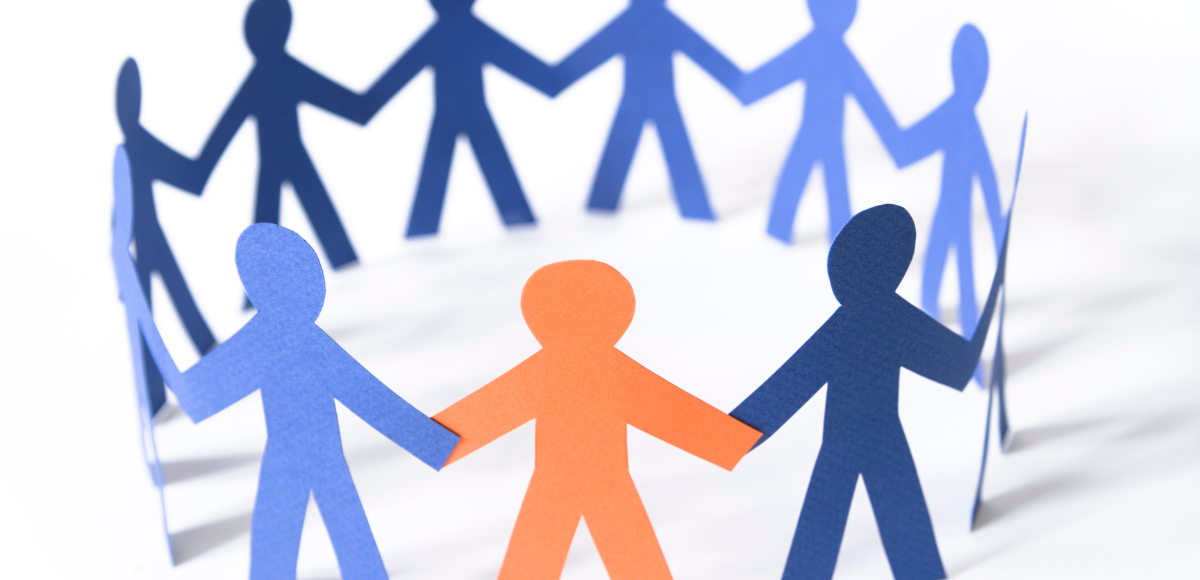
Connection and Community: Art has the power to connect individuals across boundaries of culture, language, and experience, fostering a sense of belonging and community. Whether through collaborative projects, group exhibitions, or online communities, art provides opportunities for individuals to connect with others who share similar interests and experiences, reducing feelings of isolation and loneliness. Being a part of a community helps to increase emotional well-being.
The Art Rack from Austin State Hospital Patients
At Austin State Hospital, patients have embraced art as a means of self-expression, healing, and connection.
Austin Cool Art
showcases a diverse array of artworks created by patients, offering a glimpse into their inner worlds and unique perspectives. From vibrant paintings to collages, each piece reflects the individual's journey towards emotional well-being and recovery.
By showcasing patients' art, Friends of Austin State Hospital not only celebrates the creative talents of patients but also highlights the therapeutic power of art in promoting emotional well-being. Through their artistic endeavors, patients are able to express themselves, process their emotions, and find solace and meaning in the creative process. The Art Rack serves as a testament to the transformative potential of art and its ability to uplift and inspire both creators and viewers alike.
Art is a powerful vehicle for promoting emotional well-being, offering avenues for emotional expression, stress reduction, self-exploration, empowerment, and connection. By engaging in artistic activities, individuals can cultivate greater resilience, self-awareness, and fulfillment, fostering a deeper sense of well-being and vitality in their lives.
If you want to put an
Art Rack in the lobby of your business or are interested in purchasing patient art, check out our
website and see how you
can help!