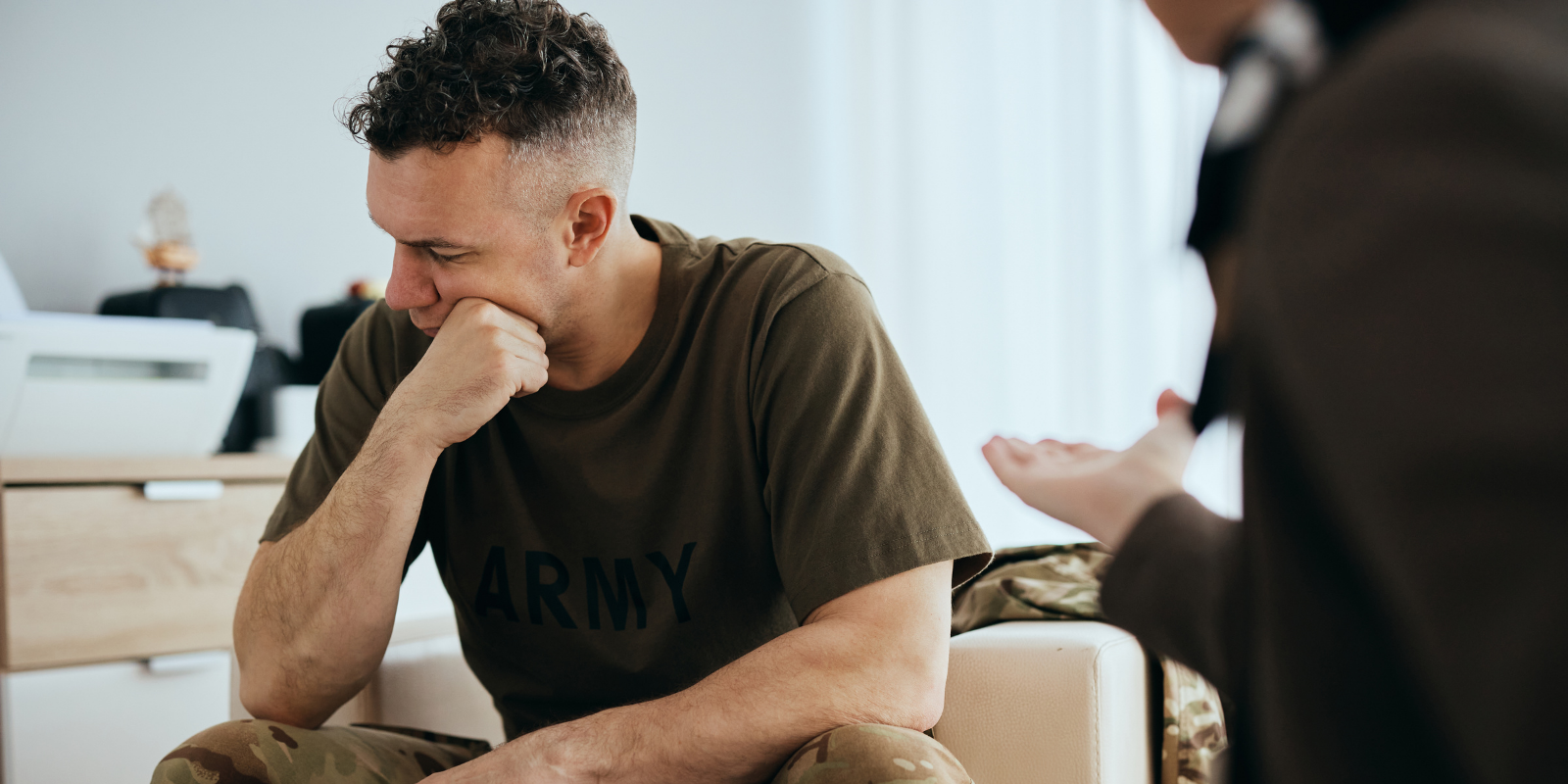
How Emotional Support Volunteers Impact Mental Health Patients
Emotional Support Volunteers: The Quiet Force Behind Patient Recovery
Mental health recovery rarely happens in isolation. At Austin State Hospital, emotional support volunteers play a quiet but powerful role in helping patients rebuild confidence, practice social skills, and feel less forgotten. This guide breaks down what these volunteers actually do, how their presence shapes recovery, and how you can step into the role.
What Emotional Support Volunteers Do in Mental Health Care
Emotional support volunteers are trained community members who spend time with patients receiving inpatient mental health care, offering companionship, encouragement, and a steady presence during long hospital stays. At Austin State Hospital, that work looks less like clinical treatment and more like being a friendly face at a birthday party, sitting in on Bingo night, or helping a patient try a new art activity for the first time.
Their job is not to diagnose, prescribe, or counsel. According to the National Institute of Mental Health, social connection is one of the most consistently cited factors that supports mental health alongside professional treatment. Volunteers fill that connection gap inside the hospital walls, where patients can feel cut off from the outside world for weeks or months at a time.
Inside the hospital, emotional support volunteers typically:
- Lead or assist with patient activities like Bingo, art sessions, and music events
- Help staff during holiday parties, monthly birthday celebrations, and seasonal cookouts
- Participate in the Pet Partner Program, bringing certified therapy dogs onto units
- Offer one-on-one conversation during visits, games, or quiet activities
- Support off-campus outings that help patients practice independence
The role is built around showing up consistently. A familiar volunteer who returns every week often means more to a patient than a one-time visit from someone they will never see again.
How Volunteer Patient Care Support Aids in Recovery
Volunteer patient care support is not a replacement for clinical care, but it adds something clinicians often cannot: relaxed, non-clinical time with another human being. That distinction matters because SAMHSA's mental health resources emphasize that peer connection and community involvement are core components of long-term recovery, not optional extras.
When patients spend time with volunteers, they get to practice the small social skills that life outside the hospital will demand of them: holding a conversation, taking turns in a game, sharing a meal, asking for help. These look like ordinary moments, but for someone working through a mental health crisis, every one of them is a rehearsal for life after discharge.
There is also a measurable wellbeing effect. Patients who participate in regular volunteer-led activities tend to report:
- Less isolation during inpatient stays
- More opportunities to practice appropriate behavior in social settings
- A stronger sense of pride and accomplishment, especially after creative activities
- Renewed engagement with hobbies they once enjoyed
- Reduced anxiety around interacting with people outside their unit
Hospital volunteer engagement also lifts staff. When volunteers handle activity logistics, clinical teams have more bandwidth to focus on individualized care. That ripple effect, more time with the patient who needs it most, is one of the most overlooked benefits of hospital volunteer engagement.
Hospital Patient Activity Programs and the Role of Volunteers
Hospital patient activity programs are the structured side of life at Austin State Hospital. They are how patients fill their days with something other than waiting, and they are almost entirely powered by volunteers and donations. Without community support, many of these programs would not exist, because the state budget does not cover them.
Here is what those programs look like in practice at Austin State Hospital:
- Holiday and seasonal events. Christmas presents, Thanksgiving dinners, spring cookouts, and themed wellness days are organized with volunteer help.
- Monthly birthday parties. Every patient gets a celebration. Volunteers help with cake, decorations, and the energy that turns a birthday into something patients look forward to.
- Art and music programs. Patients use donated supplies to paint, draw, and make music. Volunteers often sit alongside them, offering encouragement and conversation.
- Off-campus outings. Trips to sports events, concerts, or bowling alleys help patients practice independence in the real world, with volunteer chaperones present for support.
- Pet Partner visits. Certified therapy dogs and their handlers come onto the units, often producing some of the most visibly joyful moments of the week.
These programs are not extras. For patients who may not see family for months, they are some of the most consistent sources of joy, stimulation, and human connection in their day-to-day lives. Volunteering with Friends of A.S.H. is how those programs stay running.
Patient Support Programs That Depend on Emotional Support Volunteers
Patient support programs at Austin State Hospital go beyond activities. They cover the practical, dignity-preserving needs that often fall through the cracks of state funding, and they rely heavily on volunteer time and donor generosity to function.
A few examples of what volunteers and donations make possible:
- The Family House, where families traveling more than 75 miles can stay on campus for a small fee while visiting their loved one
- Discharge support, including help securing Texas IDs so patients can access services after leaving the hospital
- Self-care essentials like journals, hair gel, fingernail polish, and new underwear, items that quietly preserve dignity
- Spiritual care resources, with bibles and texts for all faiths made available to patients who request them
- Clothing for discharge, so patients leave the hospital feeling presentable and prepared for the next chapter
NAMI's guidance on psychosocial treatments underscores that recovery extends far beyond medication and therapy. Practical support, dignity, and social engagement are part of the same picture. Emotional support volunteers are often the people delivering those elements in their most personal form, whether by sitting with a patient through a difficult afternoon or wrapping a gift that will be opened on Christmas morning.
How to Become an Emotional Support Volunteer at Austin State Hospital
Joining the team of emotional support volunteers at Austin State Hospital is a structured process, and it is designed that way for a reason. Patients deserve people who are committed, trained, and consistent.
Here is what the path typically looks like:
- Submit a volunteer interest form. Start at the Friends of A.S.H. Volunteer page and share a little about yourself, your availability, and the kinds of activities you are drawn to.
- Complete an interview and screening. This includes a background check and a conversation with the volunteer coordinator to find the right fit.
- Attend volunteer training. Training covers patient confidentiality, appropriate boundaries, what to do in difficult moments, and how to work alongside hospital staff.
- Choose your lane. Volunteers usually fall into one of three areas: working with patients directly through events and activities, supporting patient care without direct interaction (sorting donations, wrapping gifts, setting up the computer lab), or helping with grounds and property tasks.
- Show up consistently. The biggest single thing patients respond to is the same friendly face returning week after week.
You do not need a background in mental health to be effective. You need patience, warmth, and the willingness to be present. If that sounds like you, the next step is simply to reach out.
Why Showing Up Matters More Than You Think
The patients at Austin State Hospital are someone's child, sibling, parent, or friend, and emotional support volunteers are often their most consistent link to the world outside. They are working through some of the hardest moments of their lives in a place that, by necessity, restricts their freedom. An hour of your time, every week, can be the thing that reminds them they are still part of the world outside.
Ready to be that person?
Visit the How You Can Help page to start your volunteer journey, or make a donation to fund the programs volunteers bring to life.
Frequently Asked Questions
1.What do emotional support volunteers do in a mental health hospital?
Emotional support volunteers spend time with patients during structured activities and informal visits. They lead or assist with games, art sessions, holiday events, and outings, and they offer the consistent human connection that helps patients feel less isolated during long inpatient stays.
2.How do emotional support volunteers help patients at Austin State Hospital?
At Austin State Hospital, volunteers run birthday parties, Bingo nights, art programs, the Pet Partner Program, and off-campus outings. They also support staff with discharge preparation, holiday events, and family visits, all of which lift patient morale and create rehearsal opportunities for life after discharge.
3.What training do emotional support volunteers receive?
Volunteers complete an interview, a background check, and formal training covering patient confidentiality, appropriate boundaries, communication strategies, and how to respond in difficult situations. Training is designed for community members without a clinical background, so anyone with patience and warmth can prepare for the role.
4.How does volunteer patient care support improve patient outcomes?
Volunteer patient care support adds non-clinical human connection to the recovery process. Patients get to practice social skills, build confidence, and engage with the world beyond their unit, all of which support the goals of their clinical treatment plan and reduce the isolation that can slow recovery.
5.Can I become an emotional support volunteer at Austin State Hospital?
Yes. Most adults in the Austin area can apply through the Friends of A.S.H. volunteer page. After your application, you will complete a screening interview, pass a background check, attend orientation and training, and then choose the volunteer lane that fits your time and interests.
Key Takeaways
- Set aside one consistent weekly time block before you apply. Volunteers who return on the same day each week build the trust that benefits patients most.
- Pick a volunteer lane that matches your comfort level: direct patient interaction, behind-the-scenes patient care support, or grounds and property help.
- Plan to complete a background check and a structured training session before your first shift.
- Reach out to the Friends of A.S.H. volunteer coordinator early if you want to help with a specific event, like Bunny Run, the Art Show, or a holiday party.
- If hands-on volunteering is not possible right now, donate to fund the activities, supplies, and patient programs that volunteers deliver.