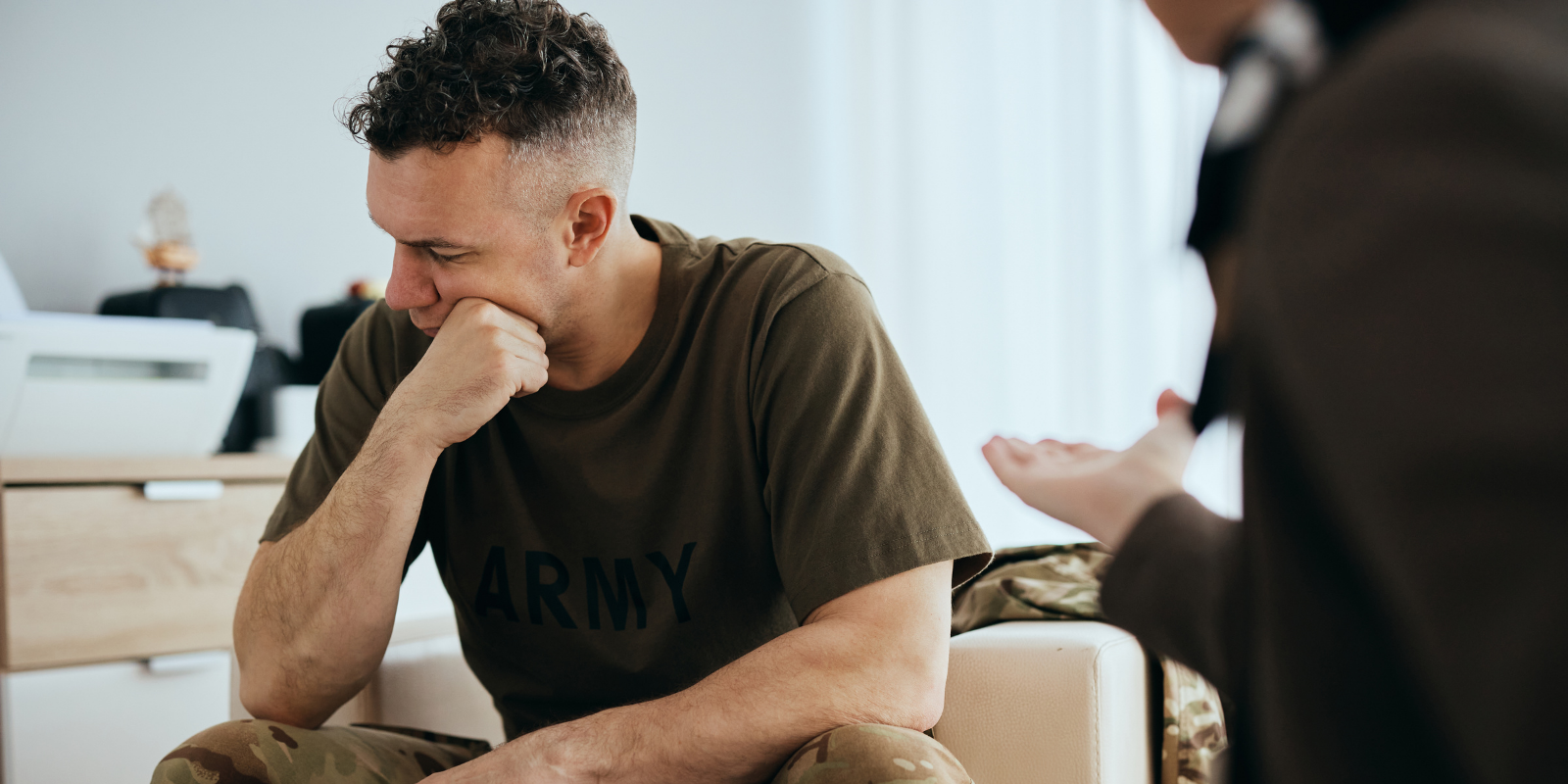
8 Ways Hospital Enrichment Programs Improve Patient Well-Being
8 Ways Hospital Enrichment Programs Transform Patient Well-Being
If you've ever wondered what patient life actually looks like inside a psychiatric facility beyond the clinical work, this post answers that question. This guide is for Austin-area residents, potential volunteers, and donors who want to understand how enrichment programs support patient recovery.
Hospital enrichment programs fill the space between therapy sessions and medication schedules, delivering the creative outlets, social connection, and everyday dignity that recovery genuinely depends on. Here are 8 specific ways those programs make a measurable difference at Austin State Hospital.
What Are Hospital Enrichment Programs?
Hospital enrichment programs are structured patient support programs designed to improve the daily quality of life for patients during inpatient psychiatric treatment. They cover everything from art sessions and recreational outings to holiday celebrations and personal care essentials that state budgets do not fund.
These programs are not optional extras. The CDC's guidance on social connection programs identifies structured social engagement, peer support, and animal-assisted interaction as promising approaches for improving health outcomes in care settings. Clinical treatment addresses symptoms. Enrichment programs address the person.
Friends of A.S.H., the Volunteer Services Council of Austin State Hospital, has funded and coordinated hospital enrichment programs at ASH for over 70 years, covering activities and resources that fall entirely outside the state's clinical budget.
.
1. Creative Arts and Expressive Therapy
Art, music, and movement are not recreational fillers in a psychiatric setting. They are documented mental health enrichment activities at Austin State Hospital with strong clinical support. When patients engage in expressive arts during treatment, research consistently shows reductions in symptom severity and improvements in self-reported well-being.
At Austin State Hospital, the annual Insights Art Show is a centerpiece of this work. Patient artwork is exhibited alongside pieces from professional artists, raising funds for enrichment programs while giving patients a public platform for their creativity. For many patients, completing a piece of work and seeing it displayed is the first concrete evidence in a long time that they've made something that matters.
2. Recreational Activities That Build Connection
Supervised outings to parks, bowling alleys, and movie theaters do more than break the monotony of inpatient life. They practice the real-world skills that community reintegration requires: navigating public spaces, managing sensory input, interacting with strangers, and making choices about how to spend time.
Within the hospital, group fitness, games, and organized recreational activities create low-pressure opportunities for patients to connect with each other outside of formal therapy groups. These interactions reduce isolation, build peer trust, and give patients a sense of belonging that reinforces their commitment to recovery in ways that clinical programming alone often can't.
3. Pet Therapy and Animal Visits
The Friends of A.S.H. Pet Partners program brings certified therapy animals and their trained handlers into Austin State Hospital. The training program runs seven weeks and is offered to qualifying dogs and their owners at no cost. All handlers complete background checks before entering the hospital.
The clinical case for animal-assisted interaction is well established. Contact with therapy animals reduces anxiety, lowers blood pressure, and increases social engagement, particularly among patients who tend to withdraw from peer contact. For someone experiencing severe depression or significant social withdrawal, a therapy dog asking for attention can create an opening that no structured intervention consistently produces. It works precisely because it doesn't feel clinical.
4. Celebrations, Events, and Seasonal Programs
Patients in long-term inpatient care can lose their sense of time, the rhythm of seasons, holidays, and milestones that ordinarily give life its texture. Holiday parties, birthday celebrations, and seasonal gatherings restore that rhythm. At Austin State Hospital, Friends of A.S.H. funds events for Halloween, Christmas, Easter, Valentine's Day, and other occasions throughout the year.
A 2013 systematic review published by the National Institutes of Health found that structured social engagement was consistently associated with reduced depression and improved quality of life in adults. Seasonal programming is exactly the kind of consistent, structured social engagement the research describes. It signals to patients that time is moving and that they're part of it.
5. Personal Care, Dignity, and Daily Needs
Hospital enrichment programs at Austin State Hospital include funding for the practical essentials that clinical budgets overlook. Friends of A.S.H. provides state IDs, birth certificates, personal care items, and application fees for work or volunteer programs, documentation and resources patients need to rebuild their lives after discharge.
Dignity isn't a luxury. Patients who feel cared for as whole people, not only as diagnoses, engage more actively in treatment and show stronger motivation toward discharge goals. When someone has the hygiene items they need and the documents that make independent housing or employment possible, their path out of the hospital becomes concrete rather than abstract.
6. Educational Programs and Skill Building
Vocational training, educational workshops, and skill-building sessions give patients something purposeful to work toward during their stay. This kind of cognitive engagement reduces the passive waiting that can deepen depression in inpatient settings, and it builds practical confidence that carries forward.
At Austin State Hospital, the history of education and rehabilitation programming runs deep, dating back to the hospital's earliest decades. When a patient acquires a skill during treatment, whether it's job readiness, a practical craft, or digital literacy, they gain tangible evidence of their own capability. That evidence shapes how they see their recovery and their future.
7. Social Interaction and Community Engagement
The Sparks of Life program coordinates volunteer groups that come directly to Austin State Hospital to engage patients through music, BINGO, talent shows, and seasonal activities. This is social contact with people from outside the hospital who show up by choice, not because a clinical protocol requires them to be there.
That distinction matters deeply to patients. Understanding how volunteer-driven patient support at Austin State Hospital reinforces recovery in ways that structured clinical interaction can't replicate on its own shows why social engagement isn't a bonus feature of mental health treatment. It's a core ingredient.
8. Everyday Moments of Comfort and Joy
Poetry cafes. BINGO nights. Cookouts. Birthday parties. These are the moments that, accumulated over time, communicate to patients that their days have texture and meaning, that they're not simply waiting.
Patient quality of life improvement isn't measured only in clinical outcomes. It's measured in whether someone laughed today, whether they felt included, whether a Tuesday had something in it worth remembering. Friends of A.S.H. funds these moments deliberately, because the experience of 70 years at Austin State Hospital confirms what the research also shows: when patients feel genuinely cared for, they recover better.
How Friends of A.S.H. Sustains Enrichment at Austin State Hospital
None of this happens without funding and community support. Hospital enrichment programs at Austin State Hospital depend entirely on the Volunteer Services Council, Friends of A.S.H., to coordinate and sustain them year after year.
Clinical care is covered by the state. Art supplies, therapy animal certification, holiday celebrations, personal care items, and supervised outings are not. Donating to Friends of A.S.H. funds exactly those gaps, making the difference between a patient who receives treatment and one who receives care.
Take the Next Step for Patients at Austin State Hospital
Austin State Hospital patients rely on community support for the programs that make their days meaningful, and Friends of A.S.H. makes it easy to get involved in a way that fits your schedule and capacity. Whether you want to donate, volunteer, or simply ask a question about how your contribution reaches patients directly, the team is ready to help. Contact Friends of A.S.H. today and find out how you can become part of the community that shows up for Austin State Hospital.
Frequently Asked Questions
1.What are hospital enrichment programs?
Hospital enrichment programs are structured, non-clinical activities, including creative arts, recreational outings, social events, pet therapy, and personal care support, that improve daily quality of life for patients in inpatient settings. At Austin State Hospital, they are funded and coordinated by Friends of A.S.H. and cover activities the state clinical budget does not include.
2.How do enrichment programs help mental health patients?
They address the non-clinical dimensions of recovery: social connection, creative expression, personal dignity, and a sense of routine. Research consistently links structured social and creative engagement to reduced depression, improved quality of life, and stronger outcomes during and after inpatient psychiatric treatment.
3.Why are enrichment activities important for hospital patients?
Mental health recovery depends on more than medication and therapy. Patients who have access to meaningful daily activities, peer interaction, and personal care resources engage more actively in their treatment and have stronger foundations for reintegrating into the community after discharge.
4.What activities improve patient well-being in mental health hospitals?
Art and music therapy, pet visits, supervised recreational outings, holiday events, vocational skill building, and regular social interaction with volunteers have all shown positive effects on patient well-being in psychiatric settings. Friends of A.S.H. supports all of these at Austin State Hospital through its enrichment programs.
5.How can I support hospital enrichment programs at Austin State Hospital?
Friends of A.S.H. welcomes both donations and volunteers. Donations fund the supplies, events, and personal care items that enrichment programs require to operate. Volunteers participate directly through programs like Sparks of Life and Pet Partners. Visit friendsofash.org/Volunteer to learn more and get started.
Key Takeaways
- Enrichment programs fill the gap between clinical treatment and the social, creative, and emotional needs that mental health recovery depends on.
- Art therapy, music, and expressive programming are among the most evidence-backed mental health enrichment activities available in inpatient psychiatric settings.
- Pet Partners, Sparks of Life, the Insights Art Show, and seasonal events are core programs that Friends of A.S.H. coordinates and funds at Austin State Hospital.
- Patient quality of life improvement depends on everyday moments of connection, dignity, and routine, not only clinical milestones.
- State budgets cover clinical care, not enrichment. Friends of A.S.H. donor and volunteer support makes these programs possible year after year.
- Anyone in Austin can contribute, through donations, volunteering, or attending events, to improving patient well-being at Austin State Hospital.